Increase Energy Efficiency With Roof Skylights: Reduce Expenses While Upgrading Your Home
Residential skylights present a practical solution for property owners aiming to boost energy efficiency. By utilizing natural sunlight, they can considerably decrease power expenses and elevate the comfort of living spaces. Furthermore, skylights foster a more inviting atmosphere, suiting a wide range of architectural designs. However, selecting the right type and ensuring proper installation are necessary for gaining the most advantages. Recognizing these key considerations can result in well-informed choices that reshape a property's energy efficiency. What aspects should residents consider?
How Roof Skylights Boost Energy Efficiency and Save You Money
Roof skylights transform spaces by harnessing natural light, thereby enhancing energy efficiency. By allowing sunlight to penetrate deeper into a home, skylights reduce the reliance on artificial lighting during the day. This natural illumination not only brightens interiors but also contributes to lower electricity consumption. Moreover, most modern skylights incorporate energy-efficient glazing that prevents heat loss in winter and controls heat gain in summer. This feature helps maintain a stable indoor temperature, thus decreasing the demand for heating and cooling systems. Therefore, homeowners are likely to see a substantial drop in their energy expenses. Moreover, strategically placed skylights can improve ventilation, promoting airflow and reducing humidity levels, which can also lead to energy savings. In summary, the addition of roof skylights serves as a worthwhile investment in improving energy efficiency within residential properties.
Skylights: Reduce Energy Costs and Enhance Comfort
Skylights brighten living spaces while simultaneously lowering energy bills and enhancing comfort. By allowing natural light to penetrate living spaces, skylights minimize the need for artificial lighting, leading to reduced electricity usage. This not only leads to reduced energy costs but also promotes a healthier living environment, as natural light has been shown to improve mood and productivity.
In addition, skylights can improve thermal efficiency when installed correctly. Current models often utilize dual glazing and low-emissivity coatings, which decrease heat loss during cooler seasons and lower heat gain during hotter periods. This management of indoor temperatures works to maintain a comfortable environment throughout the year, helping to reduce dependence on HVAC systems.
As energy efficiency becomes increasingly important for homeowners, incorporating skylights presents a practical solution. By harnessing the sun's energy, skylights act as a multifaceted feature—promoting both cost savings and a more inviting living space.
The Aesthetic Allure of Roof Skylights
Although improving energy efficiency is a notable advantage, the visual appeal of skylights is equally important. These architectural features revolutionize interiors by filling them with natural light, creating an inviting atmosphere that artificial lighting often fails to replicate. The movement of sunlight across the day adds a dynamic quality to interiors, highlighting textures and colors.
Additionally, skylights can function as stunning focal points, enhancing the overall design of a room. They offer unobstructed views of the sky and neighboring landscape, making spaces feel larger and in harmony with nature. Diverse designs and sizes empower homeowners to customize skylights to their particular aesthetic choices, whether modern or traditional.
At the end of the day, the addition of skylights not only boosts energy efficiency but also enriches the overall appearance of a home, fostering a more balanced atmosphere.
Selecting the Best Roof Skylights for Your Home
Choosing the appropriate skylights for your roof involves understanding the various varieties on the market and their individual benefits. Additionally, professional installation and ongoing maintenance are vital for optimizing energy efficiency and longevity. This discussion will assist property owners in navigating these essential considerations.
Roof Skylight Types
Selecting the right kind of roof skylight can substantially elevate both the energy efficiency and aesthetics of a home. There are multiple types of skylights to evaluate. Stationary skylights, which do not open, are perfect for maximizing the amount of natural light without ventilation needs. Ventilated skylights allow for airflow, assisting in reducing indoor humidity and improve air quality. Tube skylights are efficient and compact, guiding light from the roof to inside spaces, making them suitable for compact spaces. When it comes to materials, glass skylights typically deliver better thermal insulation compared to plastic alternatives, while low-e coatings can increase energy efficiency. At the end of the day, selecting the right option relies on specific needs, the architectural style, and individual energy performance targets.
Installation and Upkeep Advice
Installing roof skylights can greatly enhance a home's natural light and energy efficiency, but thorough evaluation is necessary for the best results. Property owners should begin by examining the roof's construction to verify it can handle the skylight placement. Picking the correct option—fixed, vented, or tubular—relies on the intended brightness, ventilation needs, and decorative preference. Correct positioning is key; preferably, skylights should be placed where they can maximize sun exposure without interfering with views or affecting privacy.
Regular maintenance is also important. Homeowners should inspect seals and flashing for leaks, wipe down the glass to ensure optimal clarity, and check for any debris that may block light. By following these guidelines, homeowners can enjoy the benefits of skylights while securing longevity and performance.
How to Install Your Skylights: Key Steps and Tips
Installing skylights requires thorough planning of location and the right instruments for the project. Choosing an ideal spot guarantees maximum natural light and energy efficiency, while having essential installation tools readily available streamlines the process. This section will describe the essential steps and tips for a successful skylight fitting.
Finding The Right Location
How should skylights be positioned to optimize natural light and energy efficiency? Optimal positioning requires taking into account the building's orientation and the sun's trajectory. Skylights facing south receive the greatest amount of sunlight, making them ideal for passive solar heating. On the other hand, north-facing skylights deliver steady, find the information diffused light without significant heat gain, making them suitable for areas that need illumination without glare. Care should be taken to avoid spots where obstructions like trees or nearby structures could block sunlight. Additionally, placing skylights in high-traffic areas such as kitchens and living rooms enhances natural lighting and improves ambiance. Finally, considering the roof pitch and structure guarantees proper water drainage and reduces leakage risks. Strategic positioning choices will considerably improve energy efficiency and the general comfort of your living space.
Important Installation Tools
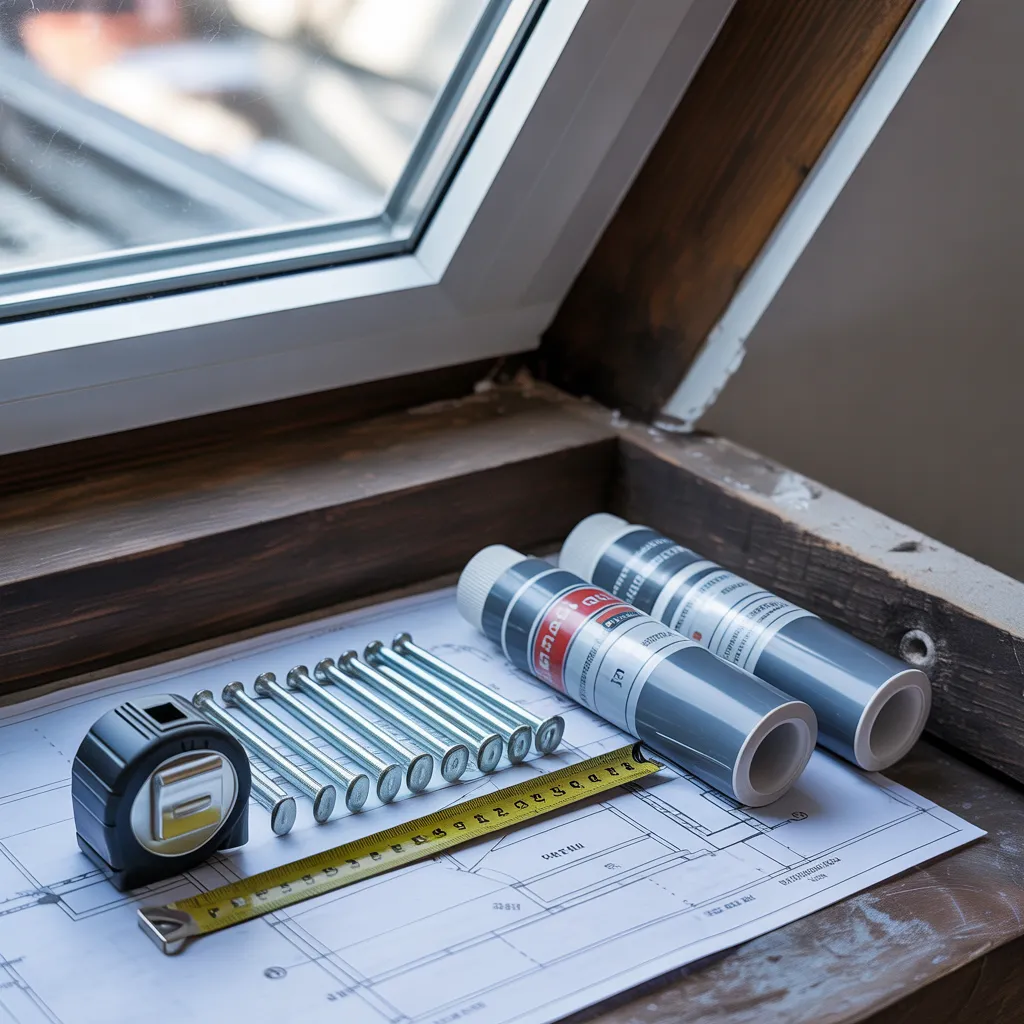
Equipping oneself with the correct tools is vital for a seamless skylight installation. A thorough toolkit should include a tape measure for exact measurements, a level to confirm proper alignment, and a utility knife for slicing roofing materials. Moreover, a drill with appropriate bits is required for fastening the skylight securely. Safety equipment, such as gloves and goggles, safeguards against potential hazards during installation. A caulking gun is essential for dispensing sealant to prevent leaks, while a hammer and roofing nails guarantee a solid installation. Having a helper can also simplify the process, making it easier to handle and set the skylight. With these vital tools, homeowners can achieve a flawless and productive skylight installation, enhancing their living spaces.
Vital Maintenance Tips to Keep Your Skylights Lasting Longer
Upkeeping roof skylights is essential for guaranteeing their durability and optimal function. Regular inspections should be carried out to detect any possible problems, such as cracks or moisture intrusion in the frame and glazing. It is essential to clean the skylights a minimum of twice annually; this requires using a soft cloth and a mild detergent to eliminate grime and buildup, which can impede light transmission and negatively affect appearance.
Additionally, evaluating weatherseals and stripping is essential for preventing moisture and air intrusion, promoting energy efficiency. It is recommended to trim any overhanging branches which could cause damage to skylights during severe weather. Residents should also clean and inspect gutters to reduce water pooling that could harm the skylight's structure. Ultimately, turning to experts for any necessary repairs or upkeep can extend the lifespan of the skylights, ensuring they continue to enhance both the beauty and energy efficiency of the home.

Frequently Asked Questions
Will Skylights Add to Your Home's Resale Value
Skylights have the ability to boost a home's market value by maximizing natural light, improving aesthetics, and resonating with eco-conscious purchasers. Their potential to create a more inviting atmosphere frequently renders skylight-equipped homes more attractive to buyers.
Can Skylights Help Reduce Dependence on Artificial Lighting?
Skylights can significantly decrease the need for electric lighting by letting natural sunlight brighten interior spaces. This enhances ambiance while possibly reducing energy expenses, making residences more appealing and sustainable over time.
In What Ways Do Skylights Influence Indoor Temperature Changes?
Skylights can assist in moderating fluctuations in indoor temperatures by offering natural light and thermal energy. Throughout sunny periods, they permit solar heat gain, while during the evening hours, they can discharge built-up warmth, promoting a more balanced interior atmosphere.
Can You Get Tax Incentives for Installing Skylights?
Yes, tax credits for adding skylights to your home may exist, based on local policies and green energy programs. Homeowners are advised to investigate qualifying credits or rebates that encourage energy-efficient home upgrades, skylight installations included.
Can Skylights Help With Indoor Air Quality?
Skylights can improve indoor air quality by allowing natural ventilation and minimizing the need for artificial lighting. This surge of fresh air and sunlight serves to lower humidity and fosters a healthier living environment overall.